
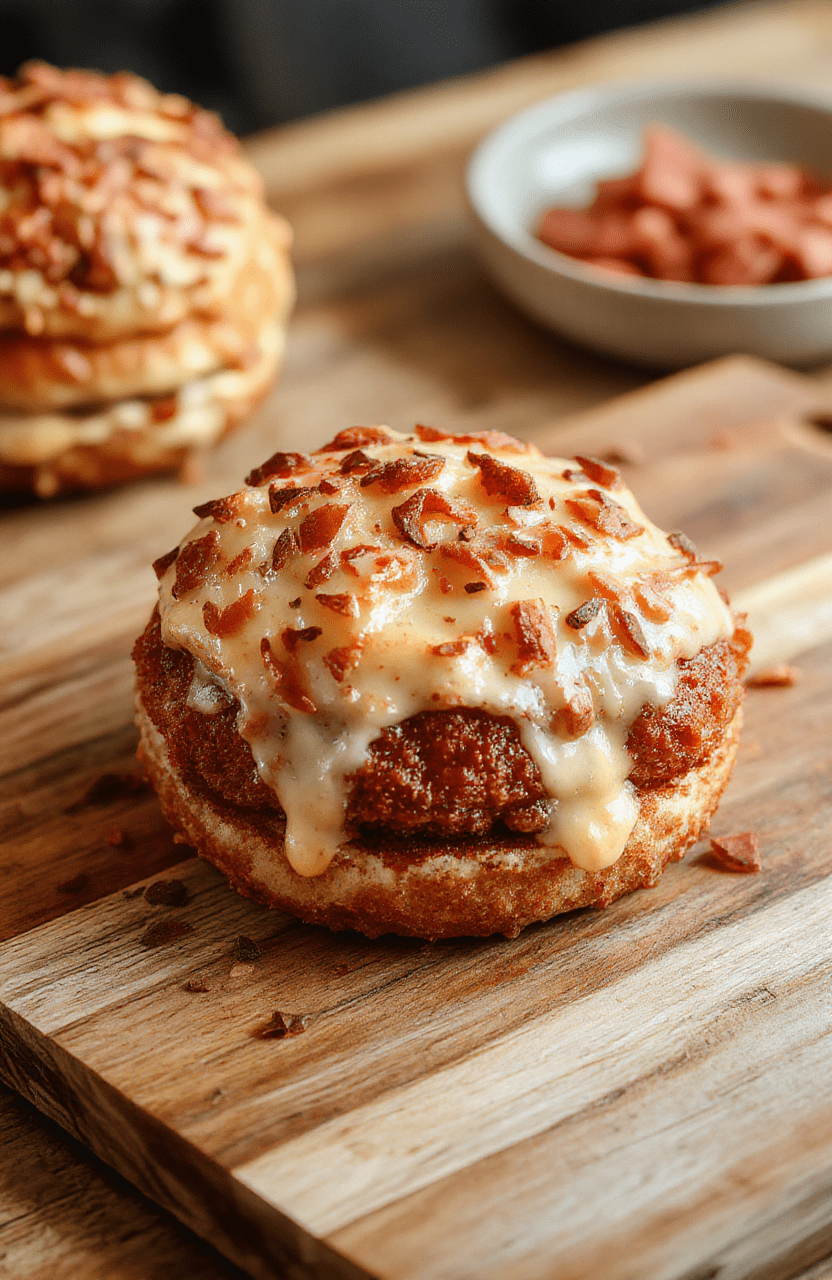
✨ Fluffy Japanese Milk Sandwich (Tamago Sando) — Where Cloud-Like Bread Meets Silky Custard Filling! ✨
1. Introduction
Imagine biting into a sandwich so soft, so pillowy, it feels likecloud-soft comfort in every bite—this is the magic of the Fluffy Japanese Egg Sandwich, known fondly as tamago sando in Japan. Unlike the dense, crusty sandwiches you might be used to, this kawaii classic features a delicate, slightly sweet milk bread (shokupan) that cradles an impossibly creamy, pastel-yellow egg custard filling. The bread is baked until golden but remains tender inside, while the filling is subtly seasoned with mirin, dashi, and a touch of sugar—never overwhelming, always harmonious. This isn’t just breakfast; it’s nostalgia, craftsmanship, and quiet joy on a plate. If you love simple yet elegant food—like our Ultimate Moist Chocolate Banana Bread or the cozy comfort of Dump-and-Go Smothered Pork Chops—you’ll adore how easily this tamago sando brings a taste of Tokyo to your kitchen.
2. Why You’ll Love This Recipe
- ✅ Ready in under 1 hour (with most hands-off time spent baking)
- ✅ One-bowl egg custard—no tempering or fancy techniques
- ✅ Uses pantry staples — flour, eggs, milk, sugar, butter, and just two seasonings
- ✅ One-pan bread + one-pan custard = minimal cleanup (bonus: your kitchen smells like a Tokyo bakery!)
- ✅ Meal-prep friendly — stays fresh in the fridge for 3 days, or freezes beautifully
- ✅ Kid-approved & photography-ready — that pastel-yellow filling? Insta gold 📸
3. Ingredient Notes
Authentic tamago sando lives or dies by its ingredients—but don’t worry, quality doesn’t have to be complicated. Here’s why we choose every component:
Bread: While you *could* buy store-bought shokupan, nothing beats the texture of homemade. We use bread flour for its higher protein content (20% more gluten than all-purpose), which gives the crumb that signature chew without toughness. Sweetened condensed milk (yes, really!) adds richness and golden color without extra caramelization risk—plus it cuts down on added sugar while boosting moisture. For dairy lovers, full-fat whole milk is non-negotiable: it creates a tender, springy crumb. Finally, real unsalted butter (kitchen tip: European-style like Kerrygold or Plugrá gives even superior softness!) is folded in during kneading for that melt-in-your-mouth finish.
Custard: The filling is just eggs, milk, sugar, mirin, and dashi—but sourcing *good* matters. Use free-range or pastured eggs for vibrant yellow yolks and richer flavor. For miso or kelp-based dashi, go for powdered version (like Maruchika) if fresh isn’t handy—but avoid instant soup bases (they’re too salty). A splash of ajinomoto-free mirin (or authentic hon-mirin) deepens umami *and* balances sweetness without masking egginess. If you can’t find mirin, 1 tsp rice vinegar + ½ tsp sugar works in a pinch—but the custard won’t keep as long.
4. Kitchen Tools You Need
Crafting perfect fluffy Japanese milk sandwich isn’t about fancy gadgets—but certain tools *greatly* increase your success rate:
For mixing and kneading, the King Arthur Artisan 5-Quart Stand Mixer in Scorched Orange is a game-changer. Its dough hook gently develops gluten without overworking—ideal for delicate shokupan. Plus, its powerful motor handles sticky batters while keeping a steady speed, giving you consistent rise every time.
Once baked, you’ll want to store your sandwich *perfectly* sealed. Enter: the JoyJolt Airtight Glass Food Storage Set. Their square containers let you press plastic wrap directly on the sandwich surface (no air = no parchment-lined sogginess!). Bonus: They’re stackable and microwave-safe—perfect for quick reheating.
And for quick, even broiling (to lightly brown the top *without* drying the bread), the Compact 6-in-1 Digital Air Fryer by Amazon Basics is our secret weapon. It browns the custard’s surface in just 90 seconds—no hot spots, no burnt corners.
5. How to Make Fluffy Japanese Milk Sandwich
Phase 1: Build the Perfect Dough (40 minutes hands-on)
We start by creating a teriomame (sweet starter) to jumpstart fermentation and add depth. Whisk 2 tbsp each of flour, milk, and sugar in a bowl. Cover and rest 15 minutes—this pre-gels the starches, making the final loaf extra springy.
In the stand mixer bowl, combine 250g bread flour, ¼ cup sweetened condensed milk, 1 cup whole milk (warmed to 110°F), 1 large egg, 1 tsp salt, and the teriomame. Mix on low until shaggy, then add 4 tbsp softened butter, piece by piece. Knead 8–10 minutes until the dough passes the windowpane test (stretch a golf-ball-sized piece—it should thin without tearing).
Transfer to a lightly oiled bowl, cover with a damp towel, and let rise in a warm spot until doubled (about 45–60 minutes). Poke it with a finger—if the hole stays, you’re ready.
Phase 2: Shape & Bake the Milk Bread Loaf
Punch down the dough, roll into a rectangle (~9×13 inches), then fold like a letter. Roll tightly into a 9×5-inch log. Place in a greased loaf pan, seam-side down. Let rise 30–40 minutes until puffy (it should spring back slowly when pressed).
Preheat oven to 350°F (175°C). Bake 35–40 minutes until golden, internal temp 190°F. Pro visual cue: The top should sound hollow when tapped. Let cool *completely* in the pan (10 mins), then transfer to a wire rack (another 45 mins). Never slice warm bread—it will collapse!
Phase 3: Make the Tamago Custard (15 minutes)
Whisk 4 large eggs, ½ cup milk, 2 tbsp sugar, 1 tbsp mirin, and 2 tbsp dashi until *just* combined (overmixing = bubbles = dense custard). Strain through a fine-mesh sieve—this step is essential for ultra-smooth texture.
About 10 minutes before bread is done baking, remove two ½-inch slices. Use a round cutter (or glass) to hollow out centers, creating “cups” for the filling. Let cool slightly before filling.
Pour custard into the hollowed bread cups. Bake 15–18 minutes at 325°F until set (center should jiggle *slightly* when shaken). Cool completely before assembling.
Phase 4: Assemble for Picture-Perfect Layers
Trim crusts off the remaining loaf. Slice 6 even rectangles. Spread custard *generously*—it should mound up slightly. Top with a second slice, press *lightly*, and dust with edible gold dust or a dusting of matcha for that kawaii finishing touch.
6. Expert Tips for Success
Tip #1: Bread temperature is everything. If the bread is even slightly warm when you add custard, it will weep and make your sandwich soggy. I’ve timed this—1 hour on a wire rack is the sweet spot.
Tip #2: Custard shouldn’t be over-sweet. Many tamago sando recipes add 2+ tbsp sugar—but true egg custard should taste *eggy*, not dessert-like. We keep sugar at 2 tbsp for balance, letting the mirin and dashi do the umami heavy lifting.
Tip #3: Use a pizza cutter for clean crusts. A serrated knife chips the soft edges. A pizza cutter glides through crustless bread like butter (no squishing!).
Tip #4: Press slices with a small plate. After assembly, place a light cutting board on top for 5 minutes—this compresses layers just enough so the sandwich holds together without becoming dense.
7. Variations & Substitutions
- Gluten-Free: Swap bread flour for a 1:1 GF blend (like Bob’s Red Mill) + 1 tsp xanthan gum. Dough will be stickier—use wet hands when shaping.
- Dairy-Free: Use oat milk + 1 tbsp aquafaba for richness. Skip sweetened condensed milk, adding 2 extra tbsp sugar + 1 tbsp coconut oil in the dough.
- Vegan Tamago: Silken tofu + 2 tbsp cornstarch + 1 tbsp nutritional yeast + ½ tsp turmeric for color. Bake filling at 300°F longer (22 mins) until set.
- Flavor Boosts: Fold 1 tbsp Matcha powder into custard for-matcha delight—or add 1 tbsp smoked paprika for a savory twist inspired by our Sweet & Spicy Honey Pepper Chicken.
8. Storage & Reheating
Refrigerator: Store assembled sandwiches wrapped tightly in plastic or in an airtight container for up to 3 days. Best eaten cold or room temp—reheating custard changes texture.
Freezer: Freeze *unfilled* bread loaf (sliced) up to 1 month. Wrap in plastic + foil. Thaw overnight in fridge, then fill fresh. Custard does not freeze well.
Reviving Day-Old Bread: Lightly mist slices with water, wrap in foil, and warm at 300°F for 10 minutes. Or use the Ninja Foodi Smart XL Indoor Grill & Air Fryer Combo on “Reheat” for 3 minutes—perfect crisp-then-tender finish.
9. FAQ
Q: My custard turned gray at the edges—what went wrong?
A> Overcooking! Egg proteins denature above 185°F, turning gray or green. Use an instant-read thermometer—remove when center hits 170°F. The residual heat will bring it to 175–180°F (perfect set, no discoloration).
Q: Can I make this without a stand mixer?
A> Absolutely! Knead by hand for 10–12 minutes (until smooth and elastic), or use the “no-knead” method: Mix dough, rest 20 minutes, fold every 30 minutes for 2 hours (stretch-and-fold technique). Slower = stronger gluten.
Q: Why does my sandwich collapse when slicing?
A> Two culprits: 1) Warm bread, or 2) Custard too runny. Strain the custard, and ensure bread cools fully. Also, don’t overfill—the custard shouldn’t reach the crust edges.
Q: What’s the best side dish for tamago sando?
Pair it with tangy pickles (like our Quick-Pickled Radishes) or a chilled miso soup. For a full brunch, serve alongside our Hearty-One-Pan Ground Beef Hobo Casserole—yes, that’s adventurous, but the savory depth balances the egg’s sweetness beautifully.
10. Conclusion
This Fluffy Japanese Milk Sandwich is more than a recipe—it’s a moment of calm in a chaotic day. The ritual of kneading, the sweet scent of baking milk bread, the vibrant yellow custard piped just so… it’s kitchen therapy. And when you finally take that first bite—the tender crumb, the creamy, umami-rich filling—you’ll understand why tamago sando is Japan’s beloved comfort food. Grab a cup of coffee (maybe brew one with your Breville Nespresso Vertuo Creatista), sit back, and savor. You’ve just made something truly special.
Print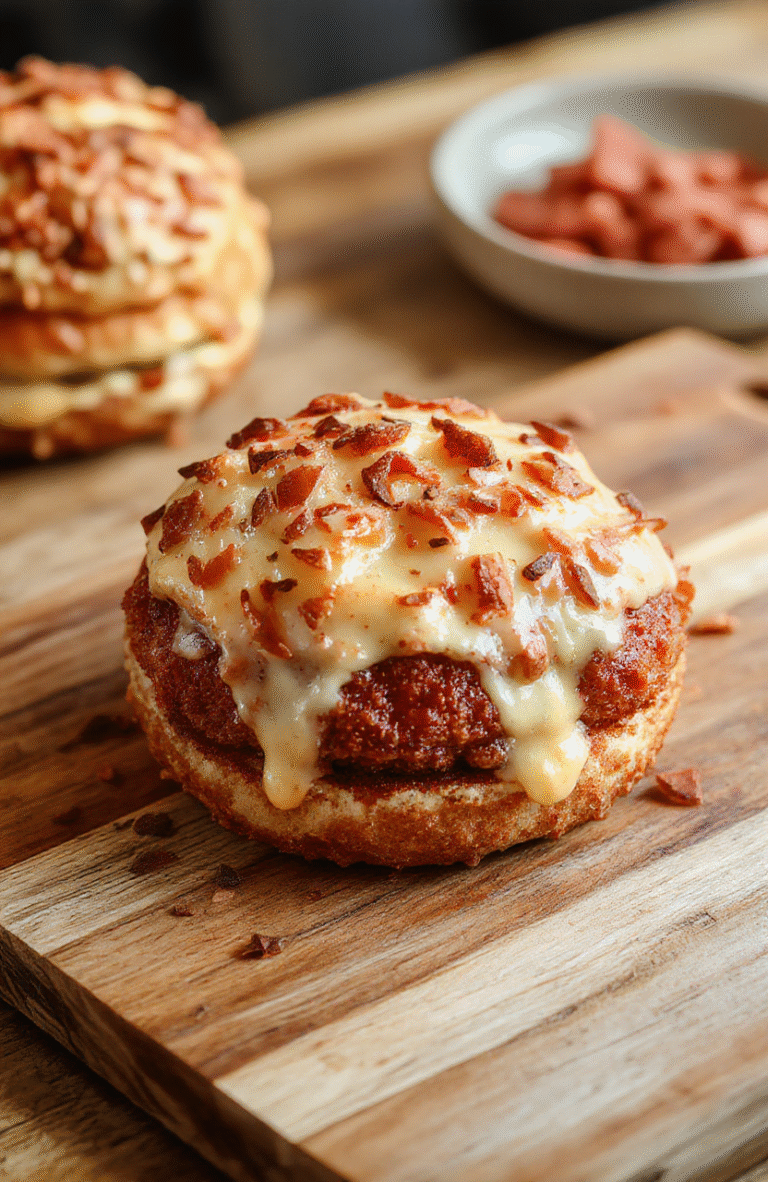
Fluffy Japanese Milk Sandwich
This Japanese-style tamago sando features a sweet, fluffy custard filling made from eggs, milk, sugar, and a touch of mirin, sandwiched between two slices of soft shokupan (Japanese milk bread). Lightly toasted for a delicate crunch, it’s a comforting, viral lunch or snack that’s surprisingly quick to prepare.
- Total Time: 15 minutes
- Yield: 1 sandwich (2 servings)
Ingredients
- 2 slices Japanese milk bread (shokupan)
- 2 large eggs
- 3 tbsp whole milk
- 1 tbsp granulated sugar
- 1 tsp mirin (optional)
- 1/4 tsp salt
- 1 tbsp unsalted butter, for toasting
- Sprinkles: kizami nori and toasted sesame seeds, for garnish
Instructions
- Whisk eggs, milk, sugar, mirin, and salt in a bowl until well combined (do not over-whisk to avoid excess foam).
- Heat a nonstick skillet over low heat and melt butter.
- Place bread slices in skillet and lightly toast both sides until golden (about 1 minute per side). Remove and set aside.
- Pour egg mixture into the skillet and cook slowly, stirring gently with a spatula as it sets — stop stirring just before fully set for creamy texture.
- Spread the custard evenly on one slice of toast, top with the second slice, press gently.
- Cut into rectangles, then garnish with kizami nori and sesame seeds.
Notes
- For authentic texture, use shokupan or a similar soft, sweet milk bread.
- Cooking low and slow ensures a custardy, not rubbery, filling.
- Chill sandwich for 10 minutes before slicing for cleaner cuts.
- Prep Time: 5 minutes
- Cook Time: 10 minutes
- Method: Stovetop
- Cuisine: Japanese
- Diet: vegetarian
Nutrition
- Serving Size: 1/2 sandwich
- Calories: 210 Kcal
- Sugar: 8g
- Sodium: 140mg
- Fat: 9g
- Saturated Fat: 5g
- Unsaturated Fat: 3g
- Trans Fat: 0g
- Carbohydrates: 24g
- Fiber: 1g
- Protein: 7g
- Cholesterol: 110mg